

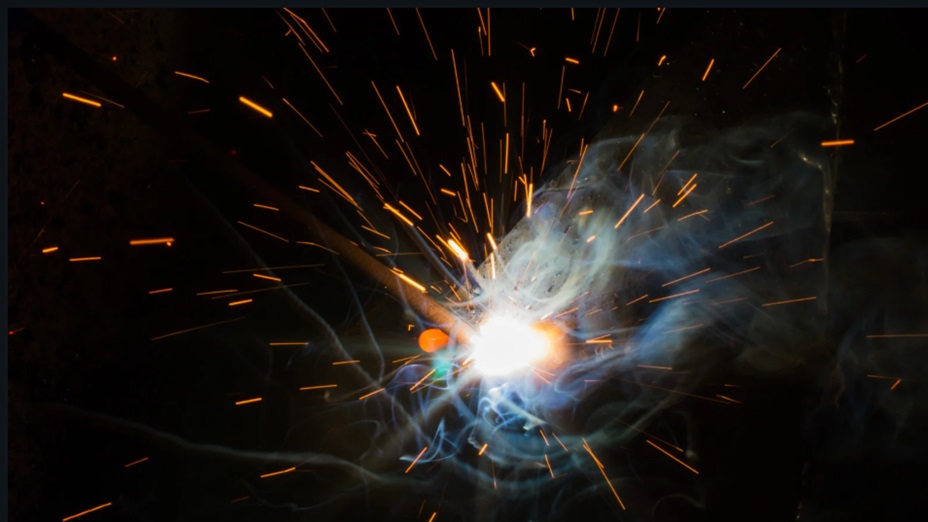
Welding is a vital process in many industries, but it also poses significant health risks. The fumes produced during welding are a mix of harmful particles and gases that can pose long-term health threats if inhaled. Experts in welding fume extraction units play an important role in protecting workers by reducing their exposure to these dangerous fumes. Welding fume extraction units capture harmful particles from the air, reducing the risks of respiratory diseases, lung damage, and cancer.
The Dangers of Welding Fumes
Welding fumes consist of a variety of metals and gases, many of which are toxic. These can include particles from materials such as aluminum, copper, lead, and manganese, as well as harmful gases like carbon monoxide, nitrogen oxides, and ozone. Prolonged exposure to welding fumes can result in health issues ranging from short-term symptoms like headaches to long-term conditions, including chronic respiratory diseases and cancer. Recent research highlights the connection between welding fumes and the development of various cancers. Welding fumes and cancer: Prolonged exposure to welding fumes may increase the risk of certain types of cancer.
How Fume Extraction Units Work
Welding fume extraction units are designed to capture and filter the harmful particles produced during welding before they can reach the worker’s lungs. These systems use a combination of suction and filtration to draw fumes away from the welding area and filter out harmful particles. The filtered air is then released back into the environment, minimizing the concentration of toxic fumes in the air. There are various types of welding fume extraction units, including portable units, fixed systems, and fume arms, that can be positioned near the welding work. These units are equipped with filters designed to capture even the smallest particles, ensuring that the air remains clean and safe for workers to breathe.
Protecting Workers from Fumes
One of the most important benefits of welding fume extraction units is their role in protecting workers. Protection of employees from welding fumes involves proper ventilation, use of personal protective equipment, and adherence to safety regulations. By implementing these systems, employers can mitigate the risk of long-term health issues and create a safer working environment.
Ensuring Compliance with Safety Regulations
Many countries mandate the use of appropriate fume extraction systems during welding operations to safeguard workers and mitigate health hazards. These systems aid businesses in adhering to safety regulations, thereby lowering the risk of accidents and legal complications. Neglecting to provide adequate protection against welding fumes can lead to serious health issues for employees and result in hefty fines for businesses. Consequently, investing in high-quality welding fume extraction units is not only an investment in employee health but also in the long-term success and reputation of a company.
Conclusion
Incorporating welding fume extraction units into the workplace allows employers to significantly reduce the health risks associated with welding. These systems effectively capture harmful particles and gases, preventing them from entering the workers’ lungs and causing long-term health problems. Fume extraction units are essential for reducing the risk of cancer, preventing respiratory issues, and complying with safety regulations. Overall, they play a crucial role in maintaining a safe and healthy work environment for welders.